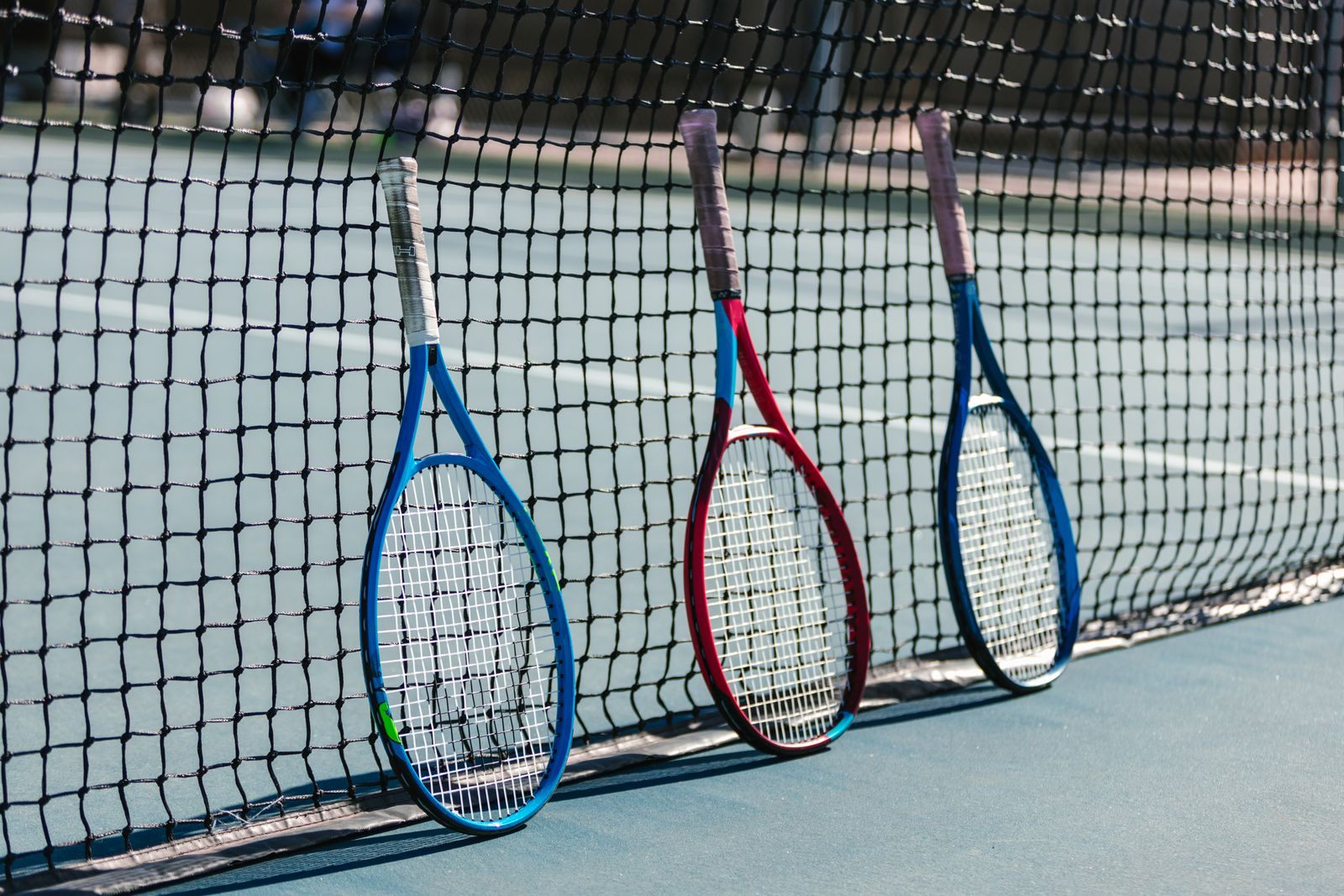
Tennis Equipment, Explained
Racquets, strings, balls and shoes in plain English — so you buy gear that fits your game.
Start the Beginner ListTennis Equipment, Explained Before You Buy
Tennis equipment looks simple — a racquet, some balls, a pair of shoes — until you start comparing head sizes, string tensions, grip sizes, ball types and court-specific soles. New Tennis Equipment is a buying guide that explains each choice in plain English, so a beginner, a returning player or a parent buying for a child can pick gear that fits their game.
We do not sell anything, rank brands or list prices. Prices move and every major maker builds racquets for every level of player. What does not change is how the gear works: why a bigger head is more forgiving, what string tension does, why kids use red, orange and green balls, and why a clay court shoe has a different tread from a hard court shoe. Where the rules matter, we point you to the governing bodies — the USTA and the International Tennis Federation (ITF).
Start Here: Four Questions
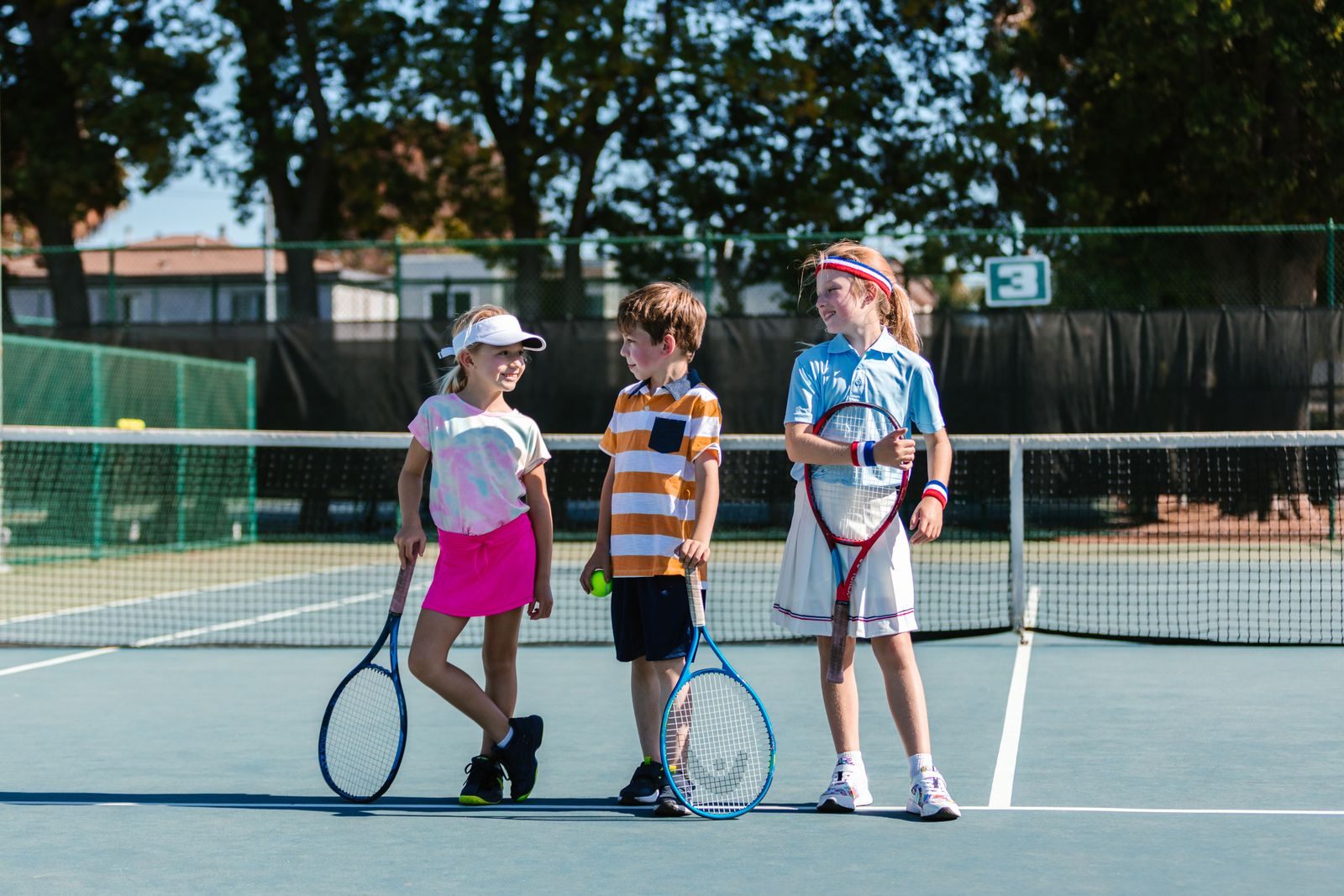
- Who is playing? An adult beginner, a club regular, or a child? Kids need junior racquets and slower balls; adults choose by level and swing.
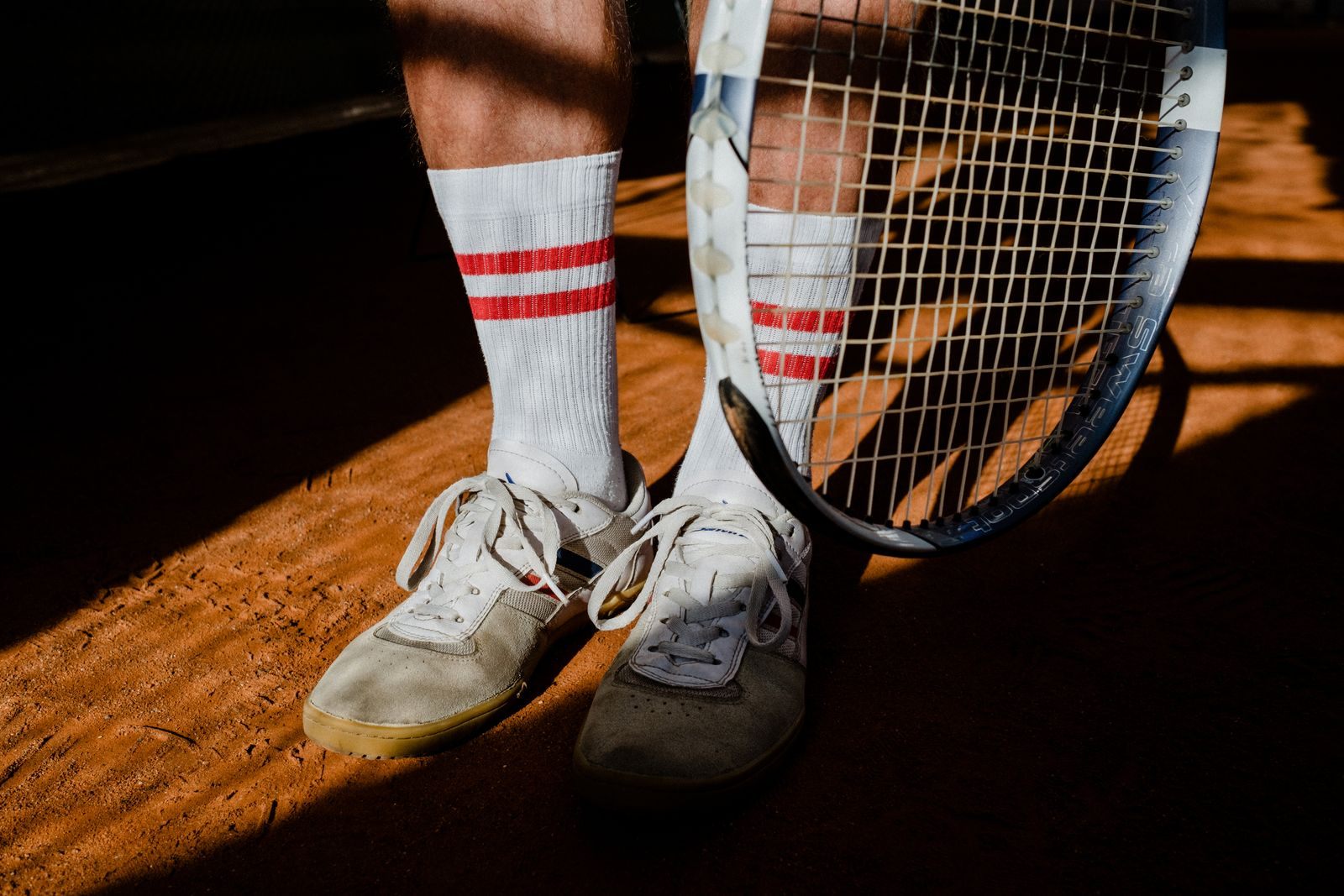
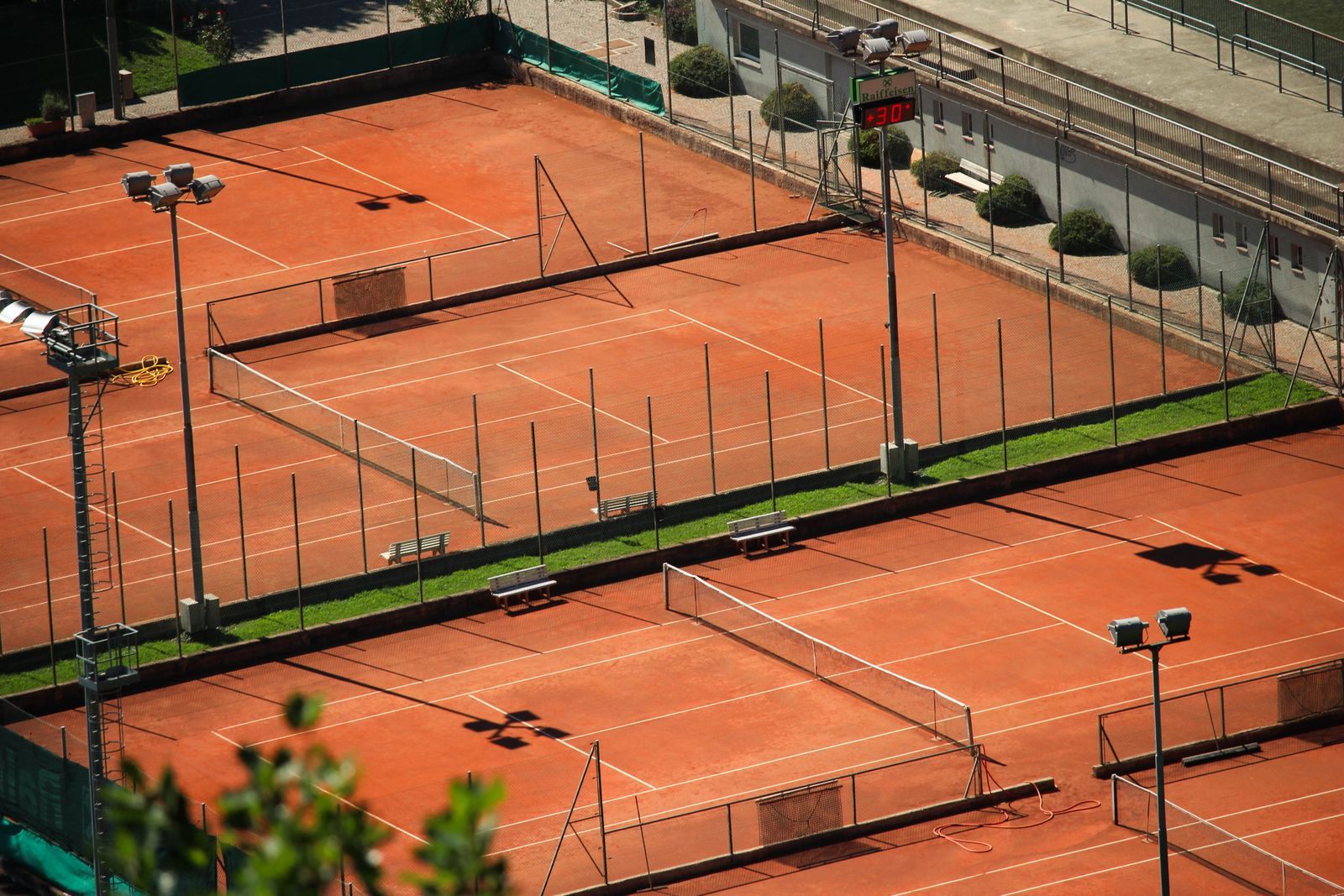
- Where will you play? Hard courts, clay or indoor carpet change the shoes you need and, at higher levels, the ball type.
- How often? Twice a month and three times a week call for very different string and shoe budgets.
- Any arm trouble? Elbow or shoulder discomfort points toward softer strings, lower tension and a lighter, more flexible frame.
With those answers, our tennis equipment list for beginners turns into a short, specific shopping list.
What “Best Tennis Equipment” Really Means
Search for the best tennis equipment and you will see the racquets professionals use. Those frames are often heavy and demanding, built for players who hit hard and often. For most recreational players, the best equipment is the gear that matches their swing:
- A racquet weight you can swing comfortably for a full set.
- A head size that gives you enough margin on off-center hits.
- A grip that lets you hold the racquet without squeezing.
- Strings and tension that suit your arm and your style.
- Shoes built for the surface you play on.
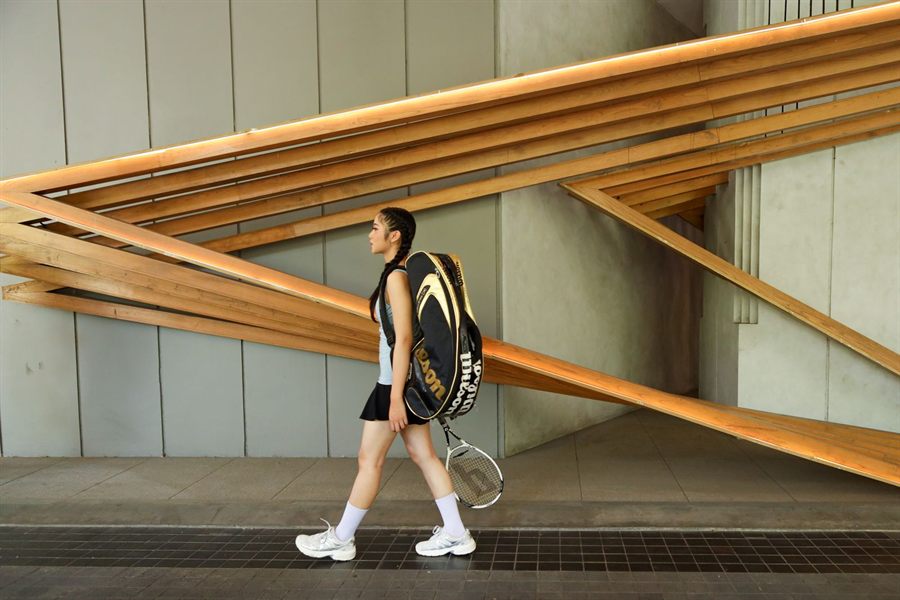
Your Tennis Gear Map
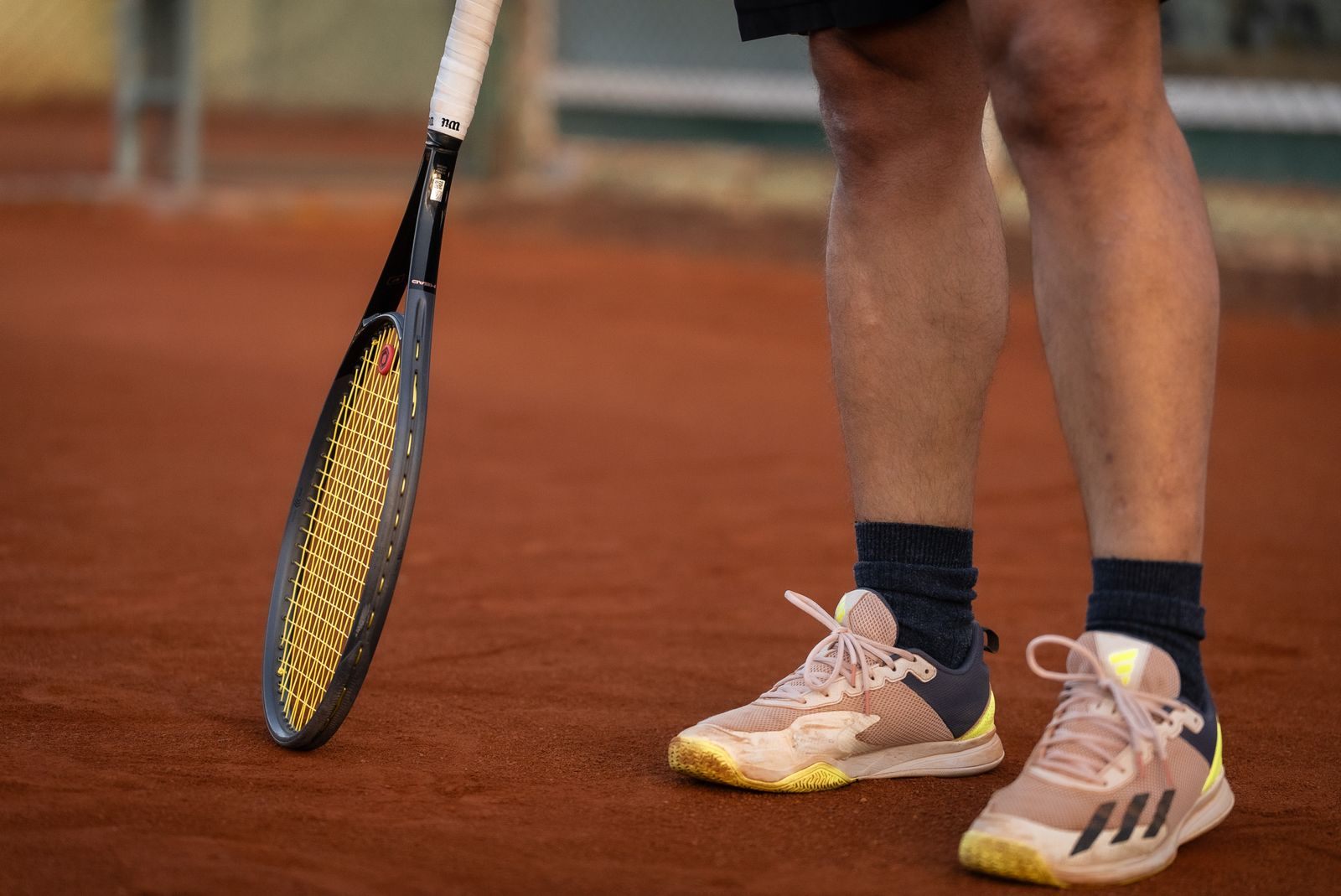
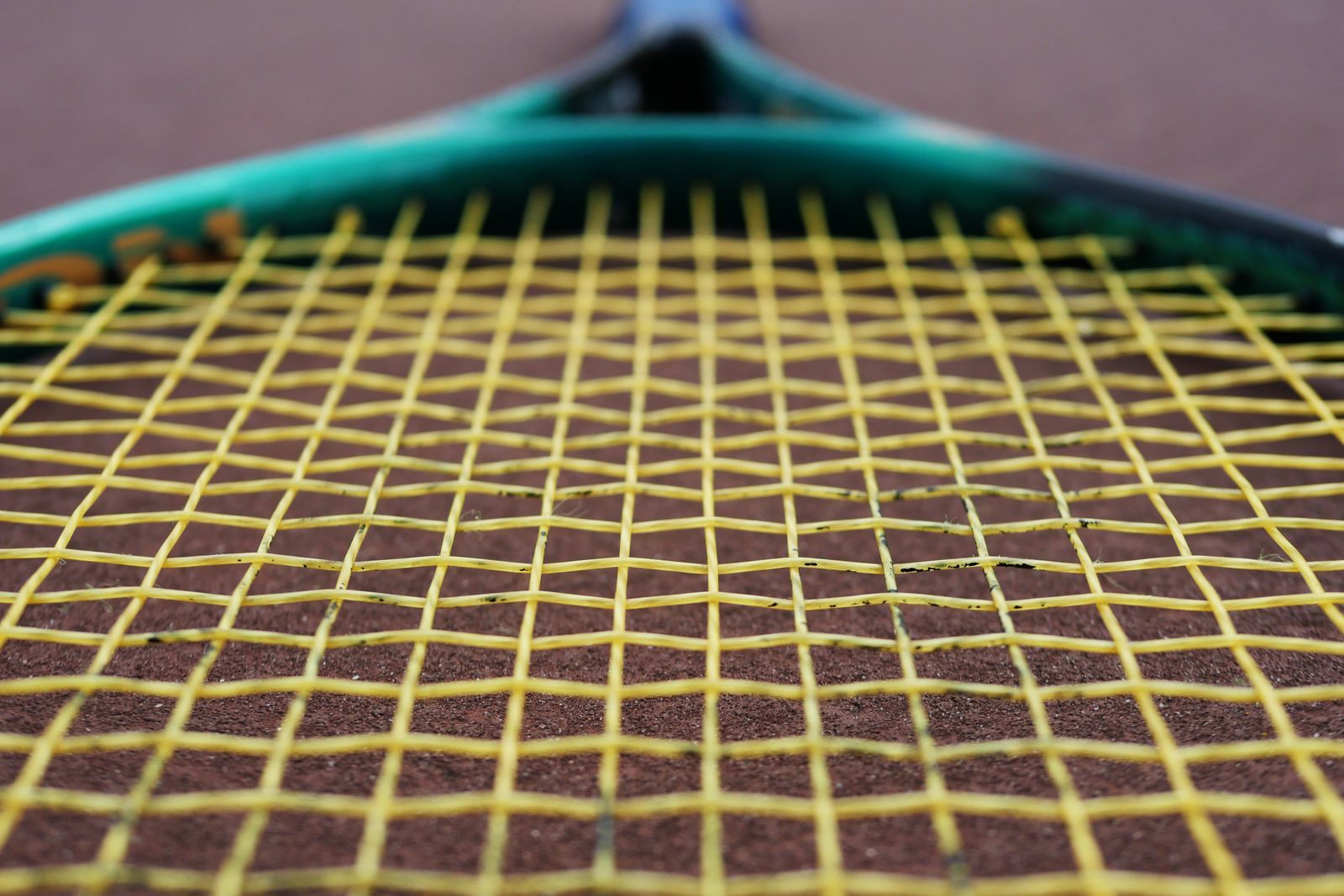
Tennis Equipment That Changes With Your Game
Your gear should evolve as you improve. Many players start with a light, oversized racquet, move to a slightly heavier, smaller-headed frame as their swing gets faster, and become choosy about strings once they play several times a week. Shoes wear out faster than anything else for regular players, and balls lose their bounce within a few sessions. Knowing where you are on that path saves money: you buy for the player you are this season, not the one in a highlight reel.
A sensible upgrade order for a growing player looks like this: first, shoes that suit your court, because worn or wrong shoes are the gear most likely to cause a slip. Next, strings — fresh strings at a suitable tension often feel like a new racquet. Only then think about changing frames, ideally after demoing a few. Accessories such as overgrips and dampeners are small, inexpensive tweaks you can experiment with any time. Following that order keeps spending in step with real improvement. And for families, remember that children’s tennis equipment follows its own path, with junior racquets and slower balls that change as a child moves through the stages.
Quick Answers
What is the minimum tennis equipment I need to start?
A racquet that suits your level, a can of balls, court shoes with non-marking soles, and water. Everything else — a bag, overgrips, a dampener — can come later.
What is the best tennis equipment for a beginner?
A forgiving racquet with a larger head and moderate weight, a grip size that fits your hand, standard pressurized balls (or slower balls for kids), and shoes made for the court surface you play on most.
Can I find tennis equipment near me to try before buying?
Many tennis clubs and specialty shops lend demo racquets so you can hit before you buy. Local sporting goods stores carry balls, shoes and basic racquets.
Build Your Beginner Kit
Our tennis equipment list for beginners walks through the essentials and the extras, in the order you need them.
Start the Beginner List